
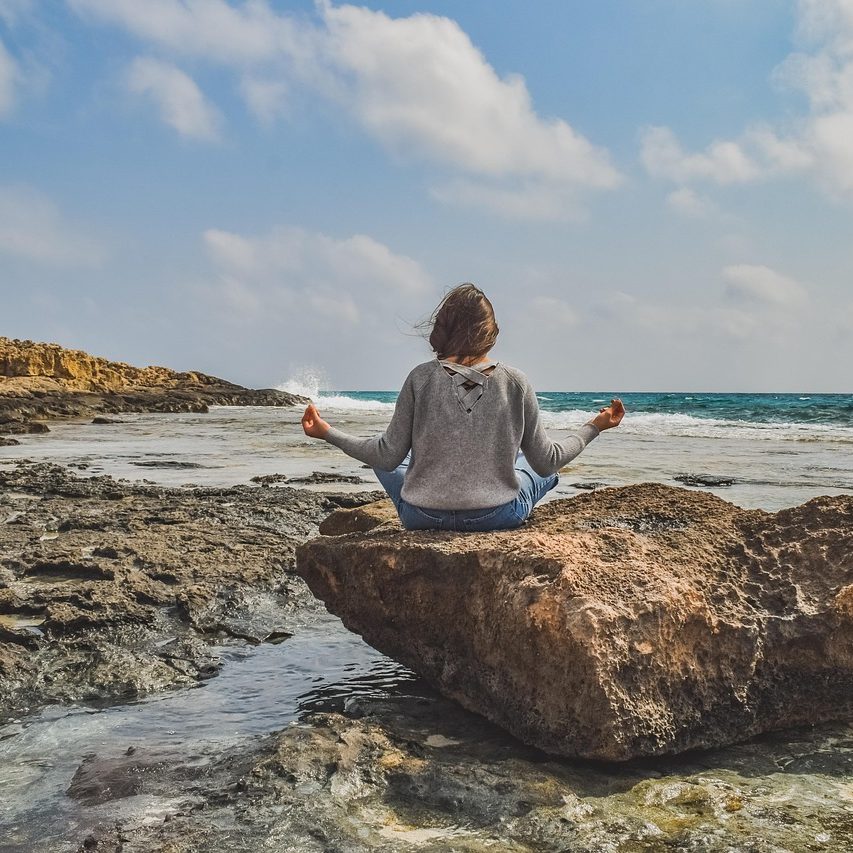
Five benefits of yoga for children
How Yoga Helps Teens Manage Exam Stress
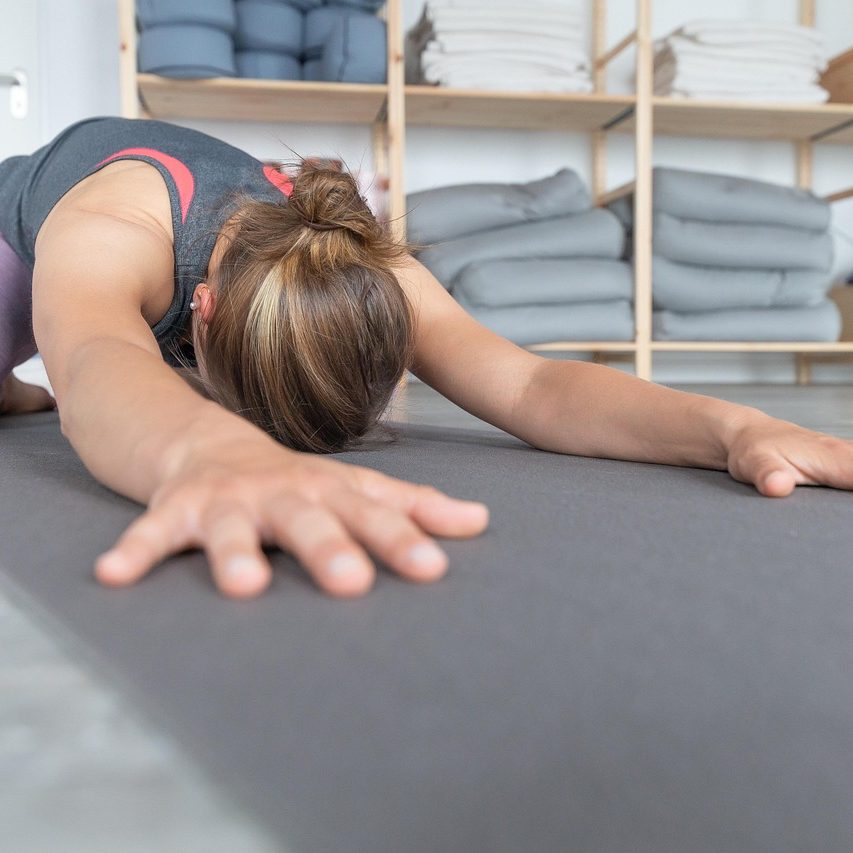
How can yoga serve as an effective tool for improving mental health in teenagers

Five benefits of yoga for children
January 2026
If you've wondered whether yoga is just another fad for kids, the research tells a different story. From better concentration to improved emotional regulation, the benefits are both proven and practical.
Here are five science-backed reasons why yoga helps children thrive.
1. Reduces Stress and Anxiety
Children face pressures previous generations didn't encounter until much later – from academic expectations to social media overwhelm. A 2024 review of school-based yoga programmes found significant improvements in managing stress and anxiety across over 1,000 children aged 5-19.
Why it matters: Unlike approaches that require children to "talk it out," yoga gives them physical tools they can use in the moment, like simple breathing techniques before a test or after a friendship conflict.
---
2. Improves Concentration and Focus
Ever noticed how hard it is for children to focus after too much screen time? Yoga develops executive functioning – the brain's ability to plan, focus, and manage tasks.
A 2024 meta-analysis found that school-based yoga significantly improved working memory and impulse control in children aged 3-7. These aren't just "nice to have" skills, they predict academic success and social competence well into adulthood.
Practical impact: Parents often report children can complete homework without constant reminders and retain information more effectively after starting regular yoga practice.
3. Builds Emotional Regulation and Self-Control
Self-regulation, managing emotions and behaviour, is one of the most valuable skills a child can develop. Multiple studies show yoga helps children improve self-control, reduce impulsivity, and better manage frustration.
A 2024 review in *Frontiers in Education* identified improved self-regulation as a key benefit, with children showing better classroom behaviour and enhanced ability to recognise and manage their emotions.
Real-world example: Instead of meltdowns, children learn to pause, breathe, and express feelings in words. They still get upset, but yoga helps develop better coping strategies.
4. Supports Physical Health and Body Awareness
In an age of increasing screen time, yoga offers essential movement that builds strength, flexibility, and body confidence, without the pressure of competition.
Research shows yoga improves flexibility, balance, posture, and motor skills. A 2025 study found that just 25 minutes of yoga led to improvements in overall health, along with reductions in anxiety and sleep problems.
Why it matters: Unlike competitive sports, yoga is non-competitive and adaptable to every body type and ability level. Children who feel clumsy in team sports often discover through yoga that they can balance, build strength, and feel confident in their bodies.
---
5. Enhances Wellbeing and Resilience
A comprehensive 2024 review analysing a decade of research on 1,000+ participants aged 5-19 found yoga effective for reducing anxiety and depression symptoms, improving sleep, and building resilience.
Perhaps most importantly, yoga teaches children that mistakes are part of learning. A child who falls out of tree pose and simply tries again develops a growth mindset that translates beyond the mat into how they approach life's challenges.
---
Getting Started
Look for qualified children's yoga teachers trained specifically to work with young people. Classes should be:
- Age-appropriate and playful
- Non-competitive and inclusive
- Focused on fun, not perfection
You can also try simple practices at home: animal poses (cat, cow, downward dog), star breathing, or just humming together before bed.
The Bottom Line
Yoga for children isn't about creating perfect little yogis. It's about giving children practical tools to manage stress, focus better, feel confident in their bodies, and build resilience for life's challenges.
And the best part? Parents and teachers often notice differences within weeks of starting regular practice.
Exam stress isn't just "feeling nervous." For many teens, it means sleepless nights, racing thoughts, stomach problems, and difficulty concentrating, all of which make exams harder.
But here's the good news: research shows that yoga and mindfulness provide practical tools that genuinely reduce anxiety and improve performance under pressure.
Let's look at what actually works.
Why It Works: The Science
Regulates your Nervous System
When stressed, your body goes into "fight or flight" mode, helpful if you're facing danger, less helpful when trying to remember exam content. Yoga activates the opposite response: your "rest and digest" mode.
A 2025 study found that high school students who practised just eight minutes of mindfulness daily for five days before exams showed:
- Increased mindfulness levels
- Decreased test anxiety
- Improved exam performance
Eight minutes. Five days. That's how quickly it can start working.
Improves Focus and Memory
Exam stress makes it harder to study effectively. Your brain struggles to focus, retain information, and recall what you've learned.
Research on adolescents found that a regular 25-minute yoga practice significantly improved concentration over three months, while also reducing academic anxiety and insomnia symptoms, both major barriers to effective studying.
Bottom line: Rather than spending more hours staring at notes, yoga helps you study more effectively in less time because you can actually concentrate.
Reduces Anxiety and Improves Sleep
Poor sleep and stress create a vicious cycle. A 2024 meta-analysis of 18 studies found moderate to large effects: mindfulness significantly reduced test anxiety across all age groups from middle school to university.
Another study found that after just six weeks of weekly yoga sessions before final exams:
- Anxiety and stress scores decreased significantly
- No students scored in the "high" anxiety category post-intervention
- Sleep quality improved markedly
The connection: Better sleep means better memory consolidation, improved mood, sharper concentration, and ultimately better exam performance.
Builds Confidence and Resilience
Perhaps most valuable: yoga doesn't just reduce anxiety, it builds genuine confidence in your ability to cope with challenges.
A 2025 UK study found that teens who participated in yoga programmes felt:
- More equipped to handle difficult emotions
- Better able to cope with daily stressors
- Increased sense of control over their wellbeing
You learn that you have tools you can use when things get difficult, and that knowledge itself reduces anxiety.

Practical Techniques You Can Use Today
Box Breathing (Before Exams)
1. Breathe in for 4 counts
2. Hold for 4 counts
3. Breathe out for 4 counts
4. Pause for 4 counts
5. Repeat 4-5 times
Why it works: Activates your calm response and helps you think clearly.
5-4-3-2-1 Grounding (When Panicking)
Notice and name:
- 5 things you can see
- 4 things you can touch
- 3 things you can hear
- 2 things you can smell
- 1 thing you can taste
Why it works: Brings you out of anxious future-thinking into the present moment.
4-7-8 Breath (For Sleep)
1. Breathe in for 4 counts
2. Hold for 7 counts
3. Breathe out for 8 counts
4. Repeat 4 times
Why it works: This activates relaxation and helps you fall asleep faster.
The Bottom Line
You don't need months of practice. Research shows even brief interventions during exam season make measurable differences.
Yoga won't make exams stress-free (nothing will), but it gives you practical tools to:
- Reduce anxiety
- Improve concentration and memory
- Sleep better
- Feel more in control
And that can make all the difference.
Reset & Rise: Yoga for Exam Season
At Chill State Yoga, we run Reset & Rise, three workshops specifically for teens facing exam pressure. Book one or all three. Each is 2 hours of practical tools that actually work. And cake.
Key References:
- Sun, Y., et al. (2025). Brief mindfulness training reduces test anxiety. *BMC Psychology*, 13, 205.
- Frontiers in Psychology (2024). Mindfulness effects on test anxiety: Meta-analysis.
- Sumner, A.L., et al. (2025). School-based yoga for young adolescents. *British Journal of Health Psychology*, 30(2).
How can yoga serve as an effective tool for improving mental health in teenagers and what specific benefits does it offer in addressing stress, anxiety, emotional regulation and overall well-being?
My 200-hour Yoga Teacher Training Essay
Poor mental health is a growing challenge for children, adolescents and the adults who support them. In 2023, 20.3% of 8-16 year olds and 23.3% of 17-19 year olds had a probable mental health disorder (McCurdy & Murphy, 2024) and mental health diseases accounted for 45% of all diseases impacting 10-24 year olds (Fonargy, 2025). More than 500 children a day, or one every three minutes, are referred to mental health services for anxiety (De Souza, 2024) leading to a crisis in mental health care provision for young people and long waiting times for treatment.
Emotional disorders are most commonly reported, with 7.2% of 5-19 year olds suffering from an anxiety disorder and 2.1% with a depressive disorder. Behavioural disorders impacted 4.6% of 5-19 year olds (NHS Digital, 2017). The incidence of mental health disorders is similar for younger boys and girls but by the age of 11, girls are 30% more likely to suffer from poor mental health (Walker, 2022) and for 17-25 year olds rates were twice as high for young women as for young men (NHS Digital, 2023). 25.9% of young women aged 16-24 reported self-harming at some point in their lives compared to 9.6% of young men, however suicide rates are three times higher for young men (RCPCH, 2020).
There’s a clear link between poverty and poor mental health, as parents of children with mental health disorders are less likely to be able to afford extracurricular activities or afford equipment and uniform for school (NHS Digital, 2023). With 31% of children living in relative poverty (Francis-Devine, 2025), and children experiencing mental health problems being three times more likely to pass fewer than five GCSEs (McCurdy & Murphy, 2024), therefore reducing their employment prospects, it’s clear that this is an endemic and enduring problem for society as well as for those personally impacted.
There are many other factors influencing children’s mental health. Bullying plays a significant role with young people with mental health disorders being five times more likely to have been bullied in person and four times more likely to have been bullied online (NHS Digital, 2023). Body dysmorphia is another concerning factor, as only 49% of children agreed they felt happy with the way they looked, with this figure dropping to 40% among girls (Children’s Commissioner, 2024). The Covid-19 pandemic disproportionately impacted children and young people, with schools and colleges closed for longer in lockdown than hospitality venues. They felt their parents’ fear, were physically separated from extended family and friends, and lost out on key experiential milestones. Their life of certainty and security, so important for child development, was unceremoniously removed. As ever, it was those most at risk of mental health disorders, those living in poverty, who were most disadvantaged in lockdown, lacking access to technology and quiet study space as education moved online and with limited outside space to play in at home.
I’ve chosen to focus this essay on the impact of yoga on teens, because although teenagers aged 13-15 represent 17% of the young population, they are disproportionately represented in referrals to CYPMHS (Children’s and Young People’s Mental Health Services, formerly known as CAMHS), at 37% (Children’s Commissioner, 2024). Additionally, up to 75% of adult mental illness can be traced back to adolescence (Chief Medical Officer’s Report, 2013), so interventions at this age can have substantial social impact in the longer term.
To consider the impact of stress on teens, and the benefits of yoga, it’s important to understand what stress is. Stress is the body's physiological and psychological response to perceived threats or demands. It involves the activation of the sympathetic nervous system and hypothalamic-pituitary-adrenal (HPA) axis, triggering the release of hormones like cortisol and adrenaline that prepare the body for "fight or flight" responses. Stress can be helpful, it heightens our alertness so that we can grab a child from danger, run for a bus, or perform our best in exams. The “fight or flight” response helps us react to perceived threats by increasing heart rate and redirecting blood flow to muscles, mobilising energy sources for quick use and sharpening our focus. At the same time, physiological functions we don’t need for fight or flight are dialled down, like immunity, digestion and reproduction, and crucially for children and teens, growth. While acute stress can be adaptive, chronic stress can lead to dysregulation of these systems and contribute to various health problems. Persistently high cortisol levels have a detrimental effect on memory and cognition, and are linked to mental health disorders like depression.
Life is inherently stressful for teenagers. The amygdala, which activates the fight or flight response, and the rest of the limbic brain mature first, with the prefrontal cortex, responsible for logic, reasoning and self control, continuing to develop until we’re in our mid-twenties. Teenagers suffer from big emotions and can overreact to situations their limbic brain perceives as threatening, something all parents of teenagers will be very familiar with. Studies suggest teenagers have low baseline levels of dopamine, but through early to mid adolescence enhanced dopamine releases cause teenagers to seek thrills and amplifies their emotional reactivity. During early childhood, the brain is learning as much as it can about everything that it can, but adolescence refines connections in the brain, pruning neurons we don’t need or use and forming myelin sheaths around pathways we use most frequently, increasing brain efficiency and integration. If the neural pathways being used most frequently by teens are ones relating to stress, they are potentially creating superfast neural pathways for stress for the rest of their lives. Giving adolescents tools to manage stress and self-regulate effectively is of paramount importance for their future mental health.
In yoga, we’re seeking sattva or balance in most aspects of our lives. Although we often discuss the calming and down-regulating benefits of yoga, asana often harnesses our sympathetic nervous system, before we find ways to access the parasympathetic nervous system. Switching between up-regulating and down-regulating can give teenagers a more embodied experience as well as a toolkit to activate their parasympathetic nervous system off their yoga mat. Adolescence is a time of physical growth spurts, so asana can be used to encourage proprioception, body confidence as well as strength, balance and flexibility. For example, teens frequently develop tight hamstrings through growth spurts, and as teens grow from their extremities first, they can develop clumsiness. In contrast to ball sports or athletics, where the focus is external, during asana teens are focussed on themselves, and can develop better self awareness, physically and psychologically.
Medical advice on how to manage stress aligns with yoga philosophy and practice, suggesting a well balanced diet, spending time in nature, exercising, effective breathing and meditating. As teens start to build their own personal belief and value systems, they can be very open to philosophical ideas and we can introduce salient elements from key yoga texts into classes. Yoga’s unique non-competitiveness can make it attractive to teens who consider themselves non-sporty, whilst the flexibility and strength required for certain asana can complement athletic sports. Asana practice helps dissipate cortisol and regulate emotions so that teens can benefit more fully from pranayama breathwork, meditation and relaxation.
Anxiety disorders, like chronic stress, result from our sympathetic nervous system always being in a heightened state. Anxiety is a negative anticipation of what might happen, and can become excessive, persistent or disproportionate, preventing teens from participating and functioning in daily activities like school and social activities. A key physiological factor in anxiety is GABA, gamma-aminobutyric acid, which dampens neural activity relating to fear, stress and anxiety responses, particularly in the amygdala. People suffering from anxiety disorders often show decreased GABA levels or reduced GABA receptor sensitivity, as well as lower dopamine levels and persistently high cortisol levels.
Yoga appears to boost GABA and dopamine, while helping to reduce cortisol (Uebelacker, 2010) and a systematic review showed that yoga contributed to a reduction in anxiety in youth in 70% of studies, caveated by the quality of studies involved in the review (James-Palmer et al, 2020). A number of other studies looking at more general populations had similar findings (Pascoe & Butler, 2015), (Sharma & Haider, 2013), (Streeter et al, 2010).
Porges’ Polyvagal Theory (Porges, 2001) describes the nervous system as having three states: fight or flight; freeze where we feel numb and powerless and our body may shut down; and a “ventral vagal” response where we feel safe, relaxed and connected to others. Anxiety is triggered by dysregulation between these three states, with over-activation of the sympathetic nervous system (fight or flight) or the dorsal vagal complex (freeze) and poor engagement of the ventral vagal complex (safety). Yoga practices like controlled breathing, mindful movement, and meditation may help activate the ventral vagal pathway, promoting this physiological state of safety and social engagement and helping regulate emotional responses.
Looking at the research on yoga practices for adolescents through a polyvagal lens, several specific approaches have shown particular promise. In asana, adolescents benefit most from dynamic flow sequences and strength building poses that provide proprioceptive feedback, enhancing their interoceptive awareness (Khalsa & Butzer, 2016). Adding variety to yoga sessions through group and partner work maintains engagement and helps develop social connections (Spinazzola, 2019).
Studies by Felver et al. (2020) and Butzer et al (2017) found that adolescents responded well to modified pranayama practices such as “Ocean breath” (Ujjayi) with extended exhales, which activates the vagal brake, Alternate Nostril breathing (Nadi Shodhana) which helps balance autonomic function and other simple breath awareness exercises lasting 3-5 minutes, matching teen attention spans. Classes overall should be shorter than traditional adult classes. Teenagers benefit from empowerment and choice, which can be offered through activities such as mirror yoga, yoga jenga and other yoga games, and by asking students to develop their own asana or offer their own pose. Alignment cues should be straightforward and minimal, with lots of encouragement and praise and physical adjustments should be avoided, as these could increase self-consciousness, damage self-confidence and cause students to believe they were failing. Some examples of potential class structures and building blocks are included in the appendix.
Integrating a trauma-informed approach will maximise the benefits of yoga for vulnerable teenagers. Things to consider include: setting up mats in a circle rather than rows, so that no-one is staring at anyone else’s buttocks; avoiding rooms with large mirrors; making sure that rooms are well lit and clean; not using incense or other strong fragrances which could be triggering; having a standard class structure, possibly with cue cards, so that students feel comfortable and familiar with the class format. Gender specific classes can be beneficial as adolescent bodies are developing, causing embarrassment and self-consciousness. Instructors should encourage teens to listen to their bodies and to modify or even opt-out if something doesn’t feel right and use invitational, inclusive language. Teens should be offered choices to participate in different ways, including: variations of poses to increase accessibility or intensity; opting out by just sitting or lying still, resting in child’s pose or similar; or mindful colouring or moulding playdough. Options are particularly important during savasana as lying stretched out with closed eyes can feel very vulnerable. Teens may feel more comfortable in child’s pose, sukhasana, lying on their front, or laying with their legs up the wall. Keeping their eyes open, focused on an object like a flower or crystal or connecting to their peripheral vision may feel more accessible than closing their eyes. Focusing on an object or the breath, listening to calm music, or being guided through a yoga nidra meditation are good ways to introduce subtle yoga practices to adolescents.
The most effective yoga approaches integrate these elements in age-appropriate ways and often include educational components about autonomic regulation in accessible language, helping adolescents understand their own nervous system responses during this period of significant change. Yoga cues to notice, feel or pay attention to our body without judgement help teenagers to tune in to interoception, enabling them to recognise when they are hangry or to identify and regulate emotions. Using tools like The Emotion Wheel or similar charts can help broaden their emotional vocabulary, and enable teens to “name it to tame it,” encouraging a degree of objectivity and separation so that adolescents can recognise that they are not their emotions.
Yoga for teenagers should be presented without Sanskrit, which can create a barrier to participation and is confusing for children and young people. It should be emphasised that yoga is not a religious practice and some schools prefer “mindful movement” terminology. For this reason, chanting and Sanskrit are best avoided, as are references to Hinduism, Buddhism and Jainism which have some shared history with yoga. Some yoga traditions invoke deities like Krishna, Shiva and Ganesha as representing aspects of consciousness or of spiritual principles, present inside everyone; again, to avoid accusations of religious influence, this approach is not recommended unless it can be tied directly to the school curriculum.
And yet, it’s also important to understand what yoga is and to honour the tradition whilst being mindful of cultural appropriation. Yoga is not just movement nor mindfulness, it is a rich, ancient philosophy for life. Yoga ethics, in the form of yamas and niyamas, can help teens understand their rights and responsibilities in the world, and that the two come hand in hand. Sankalpa or intentions and affirmations are supported by modern sports psychology and can help teenagers quiet self-criticism. Adolescents can use Yoga Sutras to develop and reflect on their own personal ethics, values and beliefs, which is a critical stage in their move from dependence on their parents to interdependence in the wider community or society. Introducing these yogic concepts with intentionality, empathy and relevance to adolescent lives can help teens as they develop their self-identities. Meditation can teach young people to observe their feelings without judgement, encouraging them to identify emotional patterns and triggers. This awareness allows teens to process psychological and emotional stress more effectively and respond thoughtfully rather than impulsively.
Teenagers have unique developmental considerations. Adolescents experience significant neural remodeling, particularly in areas related to autonomic regulation, their stress response systems are especially sensitive during this period and they face unique social and academic pressures that affect their autonomic states. Yoga is not a global panacea, and students report both positive and negative feelings about yoga, but had “particularly positive opinions regarding the beneficial effects of yoga on stress, sleep, and relaxation.” (Butzer et al, 2017). Studies of yoga in schools and young people have been limited, and it can be challenging to obtain robust empirical evidence, however there is consistent evidence that yoga can benefit many young people, building resilience, self-esteem, psychological well-being and ability to focus, and helping reduce stress, anxiety and other mental health disorders.
Teens can find that self-consciousness is a barrier to participation, believe that flexibility beyond their capabilities is a prerequisite, or think that yoga is either tedious or not energetic enough (Uebelacker et al, 2021). Where students are injured or have medical conditions such as arthritis, medical advice should be followed and yoga teachers should always encourage students to be sensation seekers rather than pushing through pain to achieve a particular form of a pose. Introducing yoga to the school curriculum through wellness days, PE rotations or ten-minute tutor-led practices, gives adolescents the opportunity to experience yoga and how it blends non-competitive exercise, breathwork and meditation in ways that support self-regulation and resilience to stress.
Compared with many forms of intervention or therapy, yoga is cheap. A ten week programme for a class might cost £20 per child; an inset day giving teachers and support staff skills to offer yoga consistently and regularly might cost £1000, so for a school or year group of 200 pupils, £5 per pupil. In comparison, it costs around £229 to deliver six counselling or group CBT sessions in school, £2338 for a referral to community mental health services and an average of £61000 to admit a young person to an in-patient facility (Longfield, 2017). However, school budgets are under pressure from many directions, including: increased energy bills; unfunded pay rises for teachers; and extra invigilators to accommodate the ~30% of students who require exam access arrangements (Weale, 2025).
Yoga is offered in around 22% of primary schools (BBC, 2010), usually as an extracurricular activity, around 16% of colleges and over 30% of universities offer yoga, yet it’s estimated that only around 8% of secondary schools have regular yoga provision (Cartwright, 2019). Organisations like Teen Yoga Foundation and Mindfulness in Schools Project have been working with schools and teachers, and lobbying the government to increase yoga and mindfulness provision. Large numbers of teens are missing out on the support they need because they do not yet meet the crisis threshold required by CYPMHS, with nearly 40% of children referred have their case closed before accessing support (Children’s Commissioner, 2024). We need all secondary schools to offer a consistent suite of tools to support better mental health for adolescents and yoga provision should undoubtedly be included.
There are a number of ways that yoga can be offered within schools. The Corsham School, Wiltshire, offers yoga to Sixth Form students as part of their Wednesday afternoon enrichment curriculum. Foxwood Academy in Nottingham introduced ten-minute yoga sequences into the first afternoon class each day, resulting in a 52% drop in behavioural incidents and 100% of teachers reporting students’ “readiness to learn” had improved (Kearney, 2023). The Ralph Allen School in Bath ran a ten week yoga course to support a specific cohort, and saw referrals for mental health fall significantly as a result (Kearney, 2023). Yoga can contribute to national curriculum requirements in Physical Education and Personal, Social & Religious Education, as well as well-being programmes typically run through tutors and assemblies. This shows schools can introduce yoga flexibly, in a way that works best for their ethos, curriculum and student needs.
Teen yoga is underserved by community classes, especially outside of major cities. For yoga teachers, teenagers are a difficult demographic to reach, increasingly independent of their parents, yet still reliant on parents for transport and funding. Teenagers are often busy with extracurricular activities, paid work and increasing levels of homework. And unlike adult classes, where students might practice with you for years or even decades, teenagers grow out of teen classes, meaning teachers are constantly needing to market and fill their classes.
Online, there is a risk that teenagers are exposed only to “Instagram-Perfect” yoga, featuring slim, flexible young adults in designer yoga clothes who practice on sun kissed beaches or peaceful mountaintops. The “Teens Yoga Club” app alarmingly promotes itself with “Wanna have Hot and Sexy body? Try this genius Yoga App customized for teenagers.” Amongst reputable providers, Teen Yoga Foundation has a Youtube channel with a few classes, but most of the content is aimed at policy makers rather than teens. Yoga with Adriene offers one 20 minute video for teenagers, Isha Warriors has a series of nine classes, and the self-care app Finch, recommended by CAMHS the NHS, includes a movement section featuring a collection of stretches and yoga movements accompanied by short video demonstrations. This may be helpful in supporting teenagers to establish a home practice, or if they have enough self-awareness to recognise that they would benefit from yoga at any given moment, but cannot offer the bespoke support, encouragement or community that an in-person group class provides.
Given the scale of mental health problems in adolescents today, and the potential implications for the adults of the future, it seems that offering teen yoga as part of a wellbeing package is not just an opportunity but an imperative. Although more research is required, particularly involving larger cohorts of students, studies to date correlate yoga with positive outcomes for both teenagers and schools. Yoga uniquely offers an accessible, non-competitive and non-judgmental physical practice that helps teenagers with proprioception and with body confidence. A balanced yoga practice up-regulates and down-regulates the nervous system, and includes breathwork and meditation to help teens recognise and control their emotional responses. Yoga philosophy leads adolescents to develop and evaluate their own ethics and values. These benefits are not limited to the forty-five minutes each week spent on the mat, or ten minutes of chair yoga during tutor time, but are skills that can help them navigate life.
According to Patanjali’s Yoga Sutras, “yoga is the mastery of the mind’s fluctuations” and “when the mind is steady and calm, we know our true nature” (DiNardo & Pearce-Hayden, 2018). Perhaps the most important word for us to take from the Yoga Sutras as we look to support future generations with better physical and mental health, comes from the very first sutra: “Now begins the practice of Yoga.” We owe it to our teenagers to offer yoga now.
Bibliography
BBC. 2010. “Cheerleading and yoga on the rise in school PE lessons.” BBC News. Available at: https://www.bbc.co.uk/news/uk-england-11401754
Butzer, B., LoRusso, A.M., Windsor, R., Riley, F., Frame, K., Khalsa, S.B.S., Conboy, L. 2017. “A Qualitative Examination of Yoga for Middle School Adolescents.” Advances in School Mental Health Promotion, 10(3):195-219. doi: 10.1080/1754730X.2017.1325328. PMID: 28757897; PMCID: PMC5531187. Available at: https://pubmed.ncbi.nlm.nih.gov/28757897/
Cartwright, T., Mason, H., Porter, A., et al. 2020. “Yoga practice in the UK: a cross-sectional survey of motivation, health benefits and behaviours.” BMJ Open, 10:e031848. doi:10.1136/bmjopen-2019-031848. Available at: https://bmjopen.bmj.com/content/bmjopen/10/1/e031848.full.pdf
Children’s Commissioner. 2024a. “Children’s Mental Health Services 2022-23.” CCO. Available at: https://www.childrenscommissioner.gov.uk/resource/childrens-mental-health-services-2022-23/
Children’s Commissioner. 2024b. “The Big Ambition.” CCO. Available at: https://www.childrenscommissioner.gov.uk/resource/the-big-ambition-ambitions-findings-and-solutions/
Davies, S.C. 2014. Annual Report of the Chief Medical Officer 2013, Public Mental Health Priorities: Investing in the Evidence. London: Department of Health. Available at: https://assets.publishing.service.gov.uk/government/uploads/system/uploads/attachment_data/file/413196/CMO_web_doc.pdf
De Souza, R. 2024. “Children’s Commissioner responds to new figures on children referred to mental health support for anxiety.” Children’s Commissioner. Available at: https://www.childrenscommissioner.gov.uk/blog/childrens-commissioner-responds-to-new-figures-on-children-referred-to-mental-health-support-for-anxiety/
DiNardo, K. & Pearce-Hayden, A. 2018. Living The Sutras. Boulder, Colorado: Shambhala Publications.
Felver, J.C., & Singh, N.N. 2020. Mindfulness in the classroom: An evidence-based program to reduce disruptive behavior and increase academic engagement. Oakland, California: New Harbinger Publications, Inc.
Felver, J., Hoyos, C., Tezanos, K., & Singh, N.N. 2015. “A Systematic Review of Mindfulness-Based Interventions for Youth in School Settings.” Mindfulness, 7:10.1007/s12671-015-0389-4. Available at: https://www.researchgate.net/publication/273349460_A_Systematic_Review_of_Mindfulness-Based_Interventions_for_Youth_in_School_Settings
Fonagy, P. 2025. “Understanding the crisis in young people’s mental health.” The Health Foundation. Available at: https://www.health.org.uk/features-and-opinion/blogs/understanding-the-crisis-in-young-people-s-mental-health
Francis-Devine, B. 2025. “Which children are most likely to be in poverty in the UK?” Commons Library. Available at: https://commonslibrary.parliament.uk/which-children-are-most-likely-to-be-in-poverty-in-the-uk/
Hart, N., Fawkner, S., Niven, A., Booth, J.N. 2022. “Scoping Review of Yoga in Schools: Mental Health and Cognitive Outcomes in Both Neurotypical and Neurodiverse Youth Populations.” Children (Basel), Jun;9(6):849. doi:10.3390/children9060849 PMID:35740786; PMCID:PMC9222138 Available at: https://pmc.ncbi.nlm.nih.gov/articles/PMC9222138/
James-Palmer, A., Anderson, E.Z., Zucker, L., Kofman, Y., & Daneault J-F. 2020. “Yoga as an Intervention for the Reduction of Symptoms of Anxiety and Depression in Children and Adolescents: A Systematic Review.” Frontiers in Pediatrics, Volume 8 - 2020. Available at: https://www.frontiersin.org/journals/pediatrics/articles/10.3389/fped.2020.00078/full
Kearney, N. 2023. Rationale for Yoga in Schools. Teen Yoga Foundation. Available at: https://teenyoga.com/wp-content/uploads/2023/10/RATIONALE-for-YOGA-IN-SCHOOLS-w-references.pdf
Longfield, A. 2017. “Briefing: Children’s Mental Healthcare in England.” Children’s Commissioner. Available at: https://dera.ioe.ac.uk/id/eprint/30171/1/Childrens-Commissioner-for-England-Mental-Health-Briefing-1.1.pdf
Martinus, C. 2018. Teen Yoga for Yoga Therapists. London: Singing Dragon.
McCurdy, C., & Murphy L.. (2024). We’ve only just begun. The Health Foundation and The Resolution Foundation. Available at: https://www.resolutionfoundation.org/app/uploads/2024/02/Weve-only-just-begun.pdf [Accessed 02 April 2025]
McGonigle, A & Huy, M. 2023. The Physiology of Yoga. Champaign, IL. Human Kinetics.
NHS Digital. 2023. “Mental Health of Children and Young People in England, 2023 - wave 4 follow up to the 2017 survey” NHS
Royal College of Paediatrics and Child Health. 2020. State of Child Health. London: RCPCH. Available at: https://stateofchildhealth.rcpch.ac.uk/
Shafan-Azhar, Z and Treloar, N. 2023. “The state of children and young people’s mental health in 2023.” Centre for Mental Health. Available at: https://www.centreformentalhealth.org.uk/the-state-of-children-and-young-peoples-mental-health-in-2023/
Siegel, D. 2014. Brainstorm. London: Scribe Publications.
Streeter, C., Whitfield, T. Owen, L et al. 2010. “Effects of Yoga Versus Walking on Mood, Anxiety, and Brain GABA Levels: A Randomized Controlled MRS Study.” Journal of Alternative and Complementary Medicine 16 (11): 1145-1152
Uebelacker, L. 2010. “Hatha Yoga for Depression: Critical review of evidence for efficacy, plausible mechanisms of action and directions for future research.” Journal of Psychiatric Practice 16, 1, 22-23. Available at: https://pubmed.ncbi.nlm.nih.gov/20098228/
Uebelacker LA, Wolff JC, Guo J, Feltus S, Caviness CM, Tremont G, Conte K, Rosen RK, Yen S. Teens' perspectives on yoga as a treatment for stress and depression. Complement Ther Med. 2021 Jun;59:102723. Available at: https://pmc.ncbi.nlm.nih.gov/articles/PMC8206032/
Walker, S. 2022. “Navigating the Road of Adolescence.” Steer Education. Available at: https://steer.education/wp-content/uploads/2022/02/Summary-Findings-Young-Peoples-Mental-Health-in-the-UK-STEER-Report-Feb-2022.pdf
Weale, S. 2025. “Extra exam time: why do so many schoolkids suddenly need it?” The Guardian. Available at: https://www.theguardian.com/education/2025/apr/23/extra-exam-time-why-do-so-many-schoolkids-suddenly-need-it